On this page
- Is 1,500 Calories Right for You?
- Day 1 — The High-Protein Day
- Breakfast: Greek Yogurt Parfait (350 cal)
- Lunch: Chicken & Avocado Wrap (480 cal)
- Snack: Cottage Cheese & Berries (150 cal)
- Dinner: Salmon with Roasted Vegetables (520 cal)
- Day 1 Total: ~1,500 cal | 115g protein | 147g carbs | 39g fat
- Day 2 — The Meal Prep Friendly Day
- Breakfast: Overnight Oats (380 cal)
- Lunch: Turkey & Veggie Stir-Fry (420 cal)
- Snack: Apple + Almond Butter (200 cal)
- Dinner: Shrimp Tacos (500 cal)
- Day 2 Total: ~1,500 cal | 102g protein | 145g carbs | 45g fat
- Day 3 — The "I Don't Have Time to Cook" Day
- Breakfast: Protein Smoothie (350 cal)
- Lunch: Deli Turkey Roll-Ups + Sides (400 cal)
- Snack: Popcorn (100 cal)
- Dinner: Rotisserie Chicken Plate (650 cal)
- Day 3 Total: ~1,500 cal | 115g protein | 110g carbs | 46g fat
- How CalorieCue Scans These Meals in Seconds
- How to Customize These Meal Plans
- Frequently Asked Questions
- Is 1,500 calories enough to lose weight?
- Will I be hungry eating 1,500 calories a day?
- How fast will I lose weight on 1,500 calories?
- Can men eat 1,500 calories a day?
- What if 1,500 calories isn't enough for me?
- Should I eat 1,500 calories on workout days too?
- The Bottom Line
Your calorie target says 1,500 calories. But what does that actually look like on a plate?
This is the problem with calorie targets — they're abstract. You don't think in calories. You think in meals, plates, bowls, and snacks. Telling someone to eat 1,500 calories is like telling them to drive 47 miles — it's technically precise but practically useless without a map.
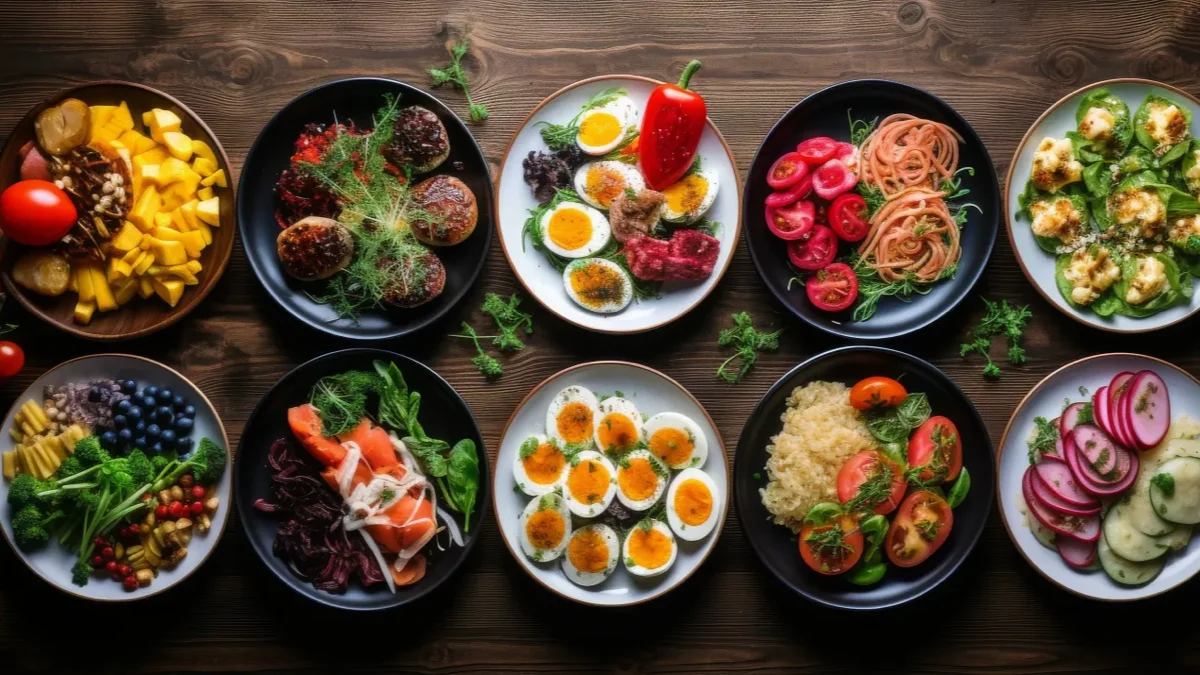
So here's your map. We built 3 complete day plans at exactly 1,500 calories, showing every meal, every snack, and every calorie breakdown. By the end of this post, you'll know exactly what a day of eating at 1,500 calories looks like — and it's probably more food than you think.
A quick note: 1,500 calories is a common target for moderate weight loss, but it's not right for everyone. If your target is higher or lower, use these plans as a template and scale portions accordingly. Not sure what your target should be? Start with how many calories you should eat.
Is 1,500 Calories Right for You?
Before diving into meal plans, let's make sure 1,500 calories is actually appropriate for your body and goals.
1,500 calories typically works well for:
- Shorter or less active women aiming for moderate weight loss
- Moderately active people who need a 300–500 calorie daily deficit
- People whose TDEE falls between 1,800 and 2,200 calories
You probably need more than 1,500 calories if:
- You're tall, very active, or have high muscle mass
- You're a man with a TDEE above 2,200 (most men)
- You exercise intensely more than 3–4 times per week
You might need fewer calories if:
- You're very petite and sedentary — but the National Institutes of Health recommends never going below 1,200 calories without medical supervision
The only way to know your actual number is to calculate your TDEE, then subtract 300–500 calories for a sustainable deficit. What follows shows you what 1,500 calories looks like — but your actual target should be personalized.
Day 1 — The High-Protein Day
This day prioritizes protein at every meal — finishing at 115g for the day. High protein keeps you fuller for longer, preserves muscle during a deficit, and has the highest thermic effect of any macronutrient, meaning your body burns more calories digesting it.
Breakfast: Greek Yogurt Parfait (350 cal)
- 1 cup nonfat Greek yogurt — 100 cal, 18g protein
- 1/2 cup blueberries — 42 cal
- 2 tbsp granola — 60 cal
- 1 tbsp honey — 64 cal
- 1 medium banana — 105 cal
Macros: 25g protein | 55g carbs | 5g fat
This breakfast hits nearly 25g of protein before lunch. Greek yogurt is one of the most protein-dense foods per calorie — a staple in any calorie-controlled plan.
Lunch: Chicken & Avocado Wrap (480 cal)
- 1 whole wheat tortilla — 130 cal
- 120g grilled chicken breast — 165 cal
- 1/4 avocado — 60 cal
- Handful mixed greens + tomato — 15 cal
- 2 tbsp salsa — 10 cal
- Side: 1 medium apple — 95 cal
Macros: 38g protein | 45g carbs | 14g fat
The chicken provides another 28g of protein, and the avocado adds healthy fats that keep you satiated through the afternoon. The apple adds fiber and volume for minimal calories — a classic volume eating move.
Snack: Cottage Cheese & Berries (150 cal)
- 1/2 cup low-fat cottage cheese — 90 cal, 12g protein
- 1/2 cup strawberries — 25 cal
- Sprinkle of cinnamon — 0 cal
Macros: 14g protein | 12g carbs | 2g fat
Cottage cheese is an underrated protein source. Research published in the British Journal of Nutrition confirms that high-protein snacks improve appetite control and reduce subsequent food intake compared to high-fat or high-carb alternatives.
Dinner: Salmon with Roasted Vegetables (520 cal)
- 150g salmon fillet — 280 cal, 30g protein
- 2 cups roasted broccoli, bell peppers, zucchini with 1 tsp olive oil — 120 cal
- 1/2 cup brown rice — 120 cal
Macros: 38g protein | 35g carbs | 18g fat
Salmon delivers omega-3 fatty acids alongside high-quality protein. The roasted vegetables add volume and fiber — two cups of mixed veggies for only 120 calories is a perfect example of getting more food for fewer calories.
Day 1 Total: ~1,500 cal | 115g protein | 147g carbs | 39g fat
Notice how much food that is. Four distinct eating occasions, generous portions of vegetables, fruit at two meals, and a full salmon dinner. This is not deprivation — this is strategic eating.
Day 2 — The Meal Prep Friendly Day
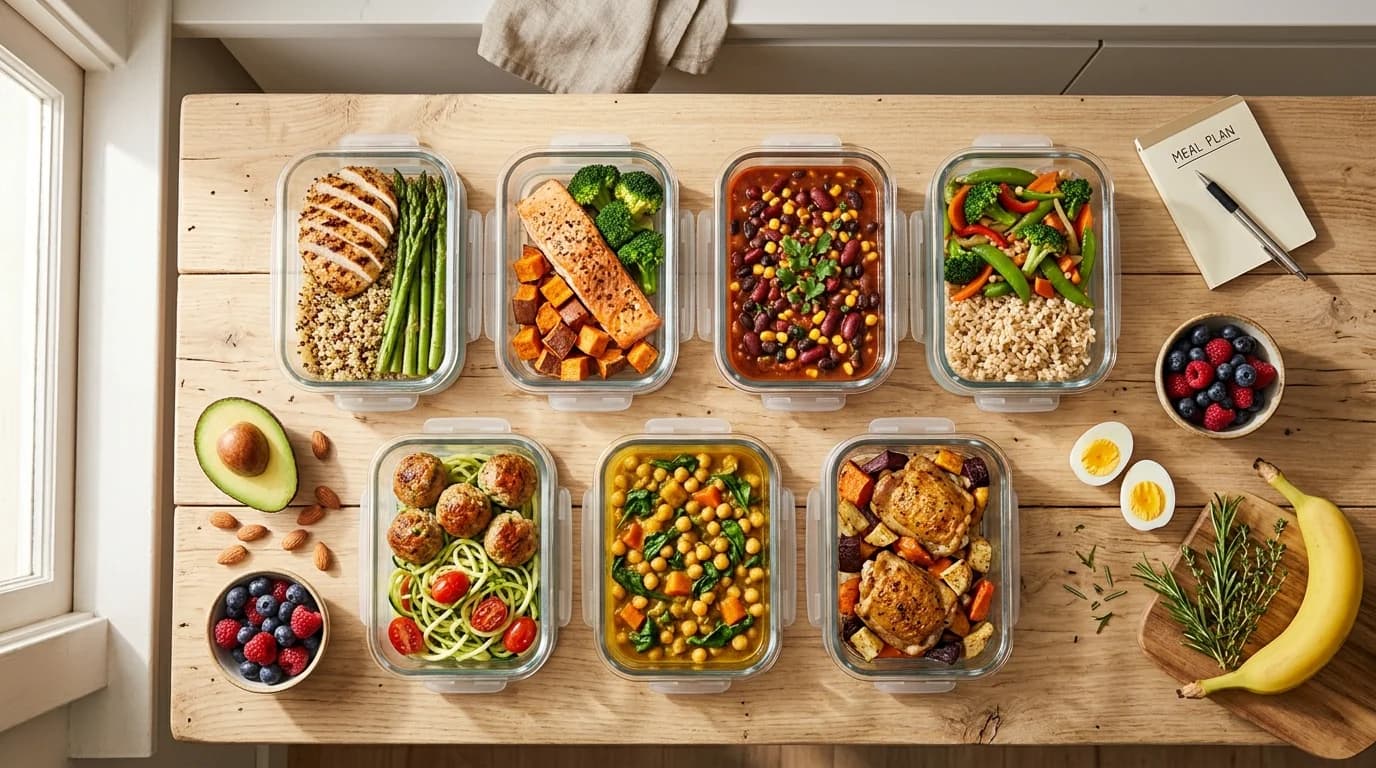
Every meal in this plan can be prepped in advance and stored for the week. If you've ever abandoned calorie counting because it was too time-consuming, this day was built for you. Check out our full meal prep guide for batch cooking strategies.
Breakfast: Overnight Oats (380 cal)
- 1/2 cup rolled oats — 150 cal
- 1 cup unsweetened almond milk — 30 cal
- 1 scoop vanilla protein powder — 120 cal, 25g protein
- 1/2 cup mixed berries — 40 cal
- 1 tbsp chia seeds — 60 cal
Macros: 32g protein | 40g carbs | 10g fat
Mix everything in a jar the night before, refrigerate, and grab it on your way out the door. Zero cooking, zero decisions, zero willpower required in the morning. The protein powder turns basic oats into a high-protein meal.
Lunch: Turkey & Veggie Stir-Fry (420 cal)
- 150g lean ground turkey — 170 cal, 28g protein
- 2 cups mixed vegetables (broccoli, snap peas, carrots, mushrooms) — 80 cal
- 1/2 cup cauliflower rice — 25 cal
- 2 tbsp low-sodium soy sauce + ginger — 15 cal
- 1 tsp sesame oil — 40 cal
- 1/2 cup regular rice — 90 cal
Macros: 32g protein | 38g carbs | 12g fat
This stir-fry reheats perfectly. Cook a big batch on Sunday and divide into containers. The mix of cauliflower rice and regular rice gives you the satisfaction of a grain-based meal while keeping calories lower — a smart portion control technique.
Snack: Apple + Almond Butter (200 cal)
- 1 medium apple — 95 cal
- 1 tbsp almond butter — 98 cal
Macros: 3g protein | 22g carbs | 9g fat
Simple, satisfying, and requires no preparation. The combination of fiber from the apple and fat from the almond butter creates lasting satiety for just 200 calories.
Dinner: Shrimp Tacos (500 cal)
- 150g shrimp — 130 cal, 26g protein
- 2 corn tortillas — 120 cal
- 1/2 cup shredded cabbage + lime — 10 cal
- 1/4 avocado — 60 cal
- 2 tbsp Greek yogurt (as sour cream substitute) — 15 cal
- Salsa — 20 cal
- Side: large mixed greens salad with lemon juice — 30 cal
Macros: 35g protein | 45g carbs | 14g fat
Shrimp is one of the lowest-calorie protein sources available — 130 calories for 26g of protein. Using Greek yogurt instead of sour cream saves about 40 calories with more protein. Small swaps like these are the difference between feeling deprived and feeling full on a calorie budget.
Day 2 Total: ~1,500 cal | 102g protein | 145g carbs | 45g fat
Every single meal in this plan takes under 15 minutes to prepare (or zero minutes if you prepped on Sunday). Meal prep eliminates the daily "what should I eat?" decision fatigue that derails most diets.
Day 3 — The "I Don't Have Time to Cook" Day
No cooking required. Everything is store-bought, assembled, or microwaved. If the idea of cooking feels like a barrier to eating well, this plan proves it doesn't have to be.
Breakfast: Protein Smoothie (350 cal)
- 1 scoop protein powder — 120 cal, 25g protein
- 1 medium banana — 105 cal
- 1 cup unsweetened almond milk — 30 cal
- 1 tbsp peanut butter — 95 cal
- Handful of ice
Macros: 30g protein | 35g carbs | 12g fat
Throw everything in a blender for 30 seconds. Breakfast is done before your coffee is ready. The peanut butter adds richness and staying power without excessive calories.
Lunch: Deli Turkey Roll-Ups + Sides (400 cal)
- 150g sliced turkey breast — 150 cal, 30g protein
- 2 slices Swiss cheese — 160 cal
- Mustard, lettuce, tomato wraps (no bread)
- Baby carrots + cucumber slices — 40 cal
- 1 string cheese — 80 cal
Macros: 40g protein | 15g carbs | 15g fat
No bread means more room for protein and sides. Roll the turkey around the cheese and vegetables — it's a sandwich without the calorie cost of the bread. At 40g of protein, this is the most protein-dense lunch in all three plans.
Snack: Popcorn (100 cal)
- 3 cups air-popped popcorn with seasoning — 100 cal
Macros: 3g protein | 20g carbs | 1g fat
Three full cups of popcorn for 100 calories. That's a lot of volume for very few calories — the definition of volume eating. Popcorn is a whole grain that satisfies the crunch craving without the calorie density of chips or crackers.
Dinner: Rotisserie Chicken Plate (650 cal)
- Store-bought rotisserie chicken, 1 thigh + 1 drumstick, skin removed — 300 cal, 38g protein
- Large side salad with mixed greens, tomatoes, cucumber — 50 cal
- 2 tbsp vinaigrette — 80 cal
- 1 medium sweet potato, microwaved — 115 cal
- 1 tsp butter — 35 cal
Macros: 42g protein | 40g carbs | 18g fat
A store-bought rotisserie chicken is arguably the greatest hack in nutrition. For roughly $6, you get 3–4 servings of high-protein, already-cooked chicken. Remove the skin to save about 100 calories per serving. Pair it with a microwaved sweet potato and a bag salad, and you have a restaurant-quality dinner in under 5 minutes.
Day 3 Total: ~1,500 cal | 115g protein | 110g carbs | 46g fat
Total active time in the kitchen: approximately 5 minutes. The "I don't have time" excuse doesn't hold up when a full day of calorie-controlled eating requires less time than scrolling through a food delivery app.
How CalorieCue Scans These Meals in Seconds
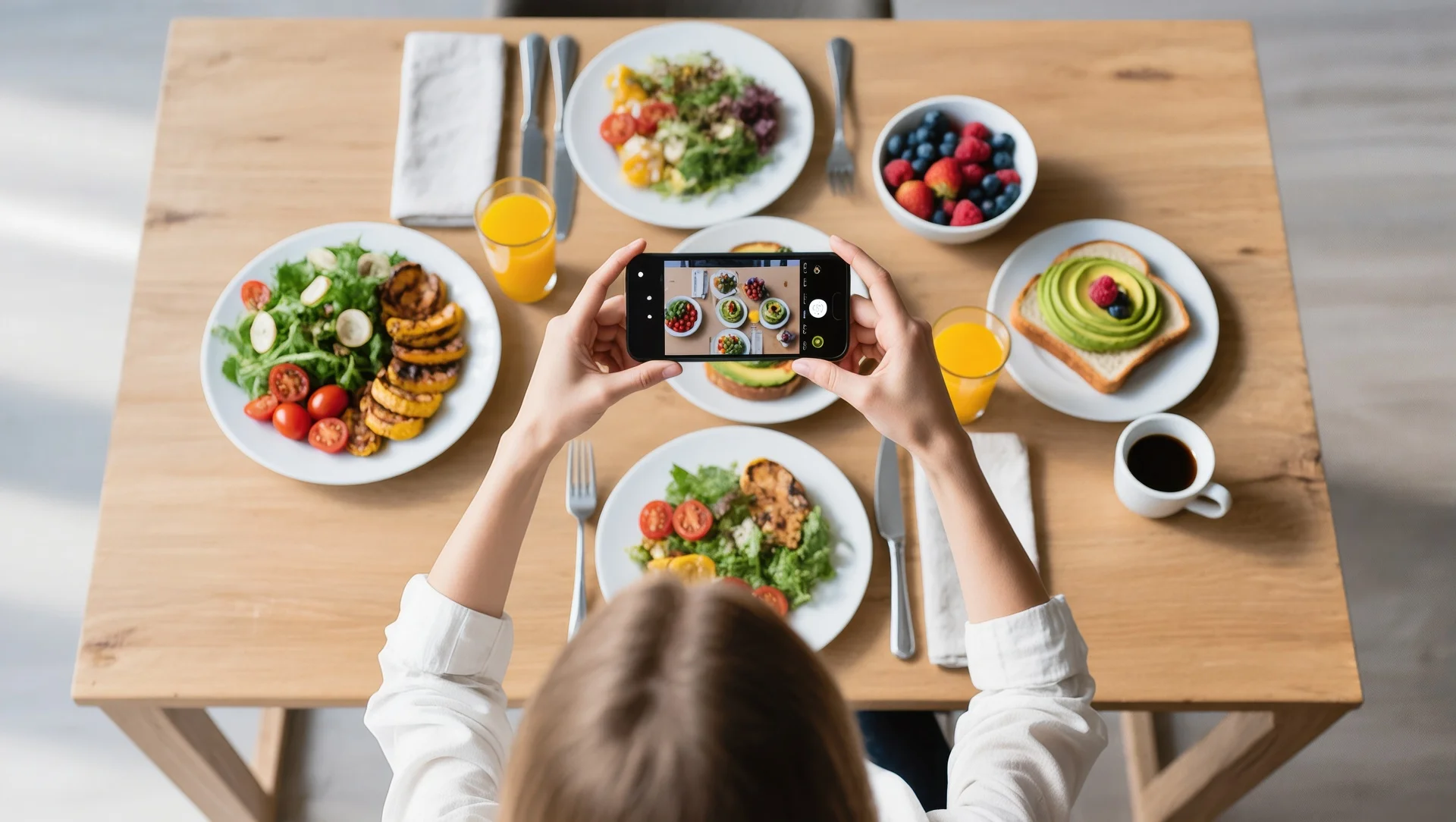
Every meal in these plans? You could track it by snapping a single photo instead of manually entering every ingredient.
Here's how it works with CalorieCue:
- Snap a photo of your meal — the Greek yogurt parfait, the chicken wrap, the shrimp tacos
- AI identifies the food — recognizing individual components, portion sizes, and preparation methods
- Get instant calorie + macro breakdown — calories, protein, carbs, and fat for the entire plate
- Done — the whole process takes about 5 seconds per meal
For the chicken and avocado wrap: snap a photo → CalorieCue identifies "grilled chicken wrap with avocado, mixed greens, and salsa" → shows ~480 cal, 38g protein. No searching databases, no weighing ingredients, no guessing portion sizes.
The total time to track an entire day of eating: under 30 seconds.
This bridges the gap between "I know I should eat 1,500 calories" and "I know I actually am eating 1,500 calories." Because knowing your target and hitting your target are two very different things. Learn more about how AI food scanning works.
See your own meals broken down like this. Every meal in this article was the kind of plate CalorieCue was built to scan — real food, real portions, instant accuracy. Stop guessing whether your lunch was 400 or 700 calories. Download CalorieCue free and start scanning.
How to Customize These Meal Plans
These plans are templates, not rules. Here's how to adjust them to fit your specific needs:
Need more calories? Add larger portions of carbs — extra rice, a bigger sweet potato, an additional slice of bread. Or add a serving of nuts (170 cal) or extra avocado (120 cal per half). Scaling up from 1,500 to 1,800 calories usually means just one extra snack or slightly larger portions at each meal.
Need fewer calories? Reduce carb portions first — half the rice, skip the granola, drop the tortilla. Remove calorie-dense add-ons like cheese, dressings, and nut butter. But never drop below 1,200 calories without medical guidance.
Vegetarian? Swap chicken and turkey for tofu (144 cal/150g, 17g protein), tempeh (280 cal/150g, 30g protein), or legumes. Replace salmon with a big serving of lentils + roasted vegetables. The protein targets are still achievable — it just requires more planning.
Higher protein? Swap granola for extra egg whites (17 cal per white, 4g protein), add a protein shake as a snack (120 cal, 25g protein), or choose higher-protein carbs like quinoa over rice. Learn more about counting macros to dial in your protein targets.
Frequently Asked Questions
Is 1,500 calories enough to lose weight?
For many people, yes. Weight loss happens when you consistently eat fewer calories than your body burns — your total daily energy expenditure (TDEE). For most moderately active women and some less active men, 1,500 calories creates a 300–500 calorie deficit, which translates to about 0.5–1 pound of fat loss per week. Research from the National Institutes of Health confirms that a 500-calorie daily deficit reliably produces weight loss across diverse populations. However, your individual results depend on your height, weight, age, activity level, and metabolism.
Will I be hungry eating 1,500 calories a day?
Not if you eat the right foods. The meal plans above prioritize protein, fiber, and volume — three factors that research consistently links to increased satiety. Greek yogurt, chicken, salmon, cottage cheese, and vegetables are all high-satiety foods that take up space in your stomach without excessive calories. If you spent 1,500 calories on fast food, you'd be starving by 3 PM. Spend them on whole foods with adequate protein, and most people feel surprisingly satisfied. Try our volume eating strategies if you want to maximize the physical amount of food you eat.
How fast will I lose weight on 1,500 calories?
It depends on your TDEE. If your maintenance is 2,000 calories, a 1,500-calorie diet creates a 500-calorie daily deficit — roughly 1 pound of fat loss per week. If your maintenance is 2,500, the deficit is larger and loss will be faster (but potentially less sustainable). The general guideline from health authorities is to aim for 1–2 pounds per week. Faster than that typically means you're losing muscle alongside fat, which lowers your metabolism and makes regain more likely.
Can men eat 1,500 calories a day?
Some can, but most active men need more. The average moderately active man has a TDEE of 2,400–2,800 calories. A 1,500-calorie diet would create a 900–1,300 calorie daily deficit — which is aggressive and risks muscle loss, fatigue, and metabolic adaptation. Most men see better long-term results at 1,800–2,200 calories. If you're a shorter, less active man, 1,500 might work — but calculate your TDEE first and consult with a healthcare provider.
What if 1,500 calories isn't enough for me?
If you feel persistently fatigued, constantly hungry, or your workouts are suffering, 1,500 calories may be too low for your body. Warning signs include brain fog, irritability, poor sleep, hair loss, and loss of menstrual cycle. Increase by 200–300 calories and reassess after two weeks. A sustainable deficit is one you can maintain for months — aggressive restriction often backfires through metabolic adaptation and binge cycles. Read more about finding the right calorie target for your body.
Should I eat 1,500 calories on workout days too?
It depends on your workout intensity. For light exercise (walking, yoga, light weights), 1,500 calories is usually fine. For intense training (heavy lifting, HIIT, long runs), you may want to add 200–400 calories on workout days to fuel performance and recovery — a strategy called calorie cycling. The extra calories should come primarily from carbohydrates and protein to support muscle repair and glycogen replenishment. If you're not sure where to start, try eating at 1,500 on rest days and 1,700–1,900 on training days, then adjust based on how you feel and perform.
The Bottom Line
1,500 calories is more food than most people expect — especially when you prioritize protein, fiber, and volume. Three full meals, a snack, and still room for fruit, cheese, or dessert-like parfaits. The key isn't eating less food — it's eating the right food.
The hardest part of sticking to a calorie target isn't willpower. It's knowing what your meals actually contain. That chicken wrap might be 400 calories or 700 — and the difference between those two numbers is the difference between hitting your target and unknowingly exceeding it every single day.
A quick photo scan removes the guesswork entirely. No food scales, no database searches, no mental math. Just a photo, instant numbers, and the confidence that you're actually on track.
Stop guessing your calories. Start scanning. Download CalorieCue free on the App Store.
Download CalorieCue