On this page
- What Is Volume Eating (and Why Does It Work)?
- The Volume Eating Cheat Sheet — Best High-Volume, Low-Calorie Foods
- Vegetables (The Volume Kings)
- Fruits (Nature's Dessert)
- Proteins That Double as Volume Foods
- Smart Carbs for Volume
- Soups and Broths
- 5 Volume Eating Meal Ideas
- Breakfast — The Monster Egg White Scramble (~350 calories)
- Lunch — The "Is This Really Diet Food?" Bowl (~450 calories)
- Snack — The Endless Popcorn Bowl (~100 calories)
- Dinner — Cauliflower Rice Stir-Fry (~400 calories)
- Dessert — Greek Yogurt Parfait (~150 calories)
- Volume Eating + Calorie Tracking = The Ultimate Combo
- Common Volume Eating Mistakes
- 1. Forgetting About Fats and Dressings
- 2. Only Eating Volume Foods
- 3. Ignoring Calorie-Dense Add-Ons
- 4. Not Eating Enough Protein
- 5. Making It Boring
- Frequently Asked Questions
- What is volume eating?
- Can you really eat more and lose weight?
- Is volume eating safe?
- What are the best high-volume, low-calorie snacks?
- Does volume eating work without counting calories?
- Can volume eating cause bloating?
- The Bottom Line
What if the key to losing weight wasn't eating less food — but eating more of the right food?
That's the core idea behind volume eating, a strategy that focuses on foods with low calorie density. These foods are high in water and fiber, which means you get large, filling portions for very few calories. A huge bowl of roasted vegetables might have fewer calories than a small handful of trail mix.
Your stomach doesn't count calories — it responds to physical volume. A big, colorful plate of food signals "I'm full" to your brain, even if the calorie count is surprisingly low. That's what makes volume eating so powerful: you feel completely satisfied while eating in a calorie deficit.
In this guide, you'll learn exactly how volume eating works, the best high-volume foods to stock your kitchen with, five ready-to-use meal ideas, and the common mistakes that trip people up.
What Is Volume Eating (and Why Does It Work)?
Volume eating comes down to one concept: calorie density.
Calorie density is the number of calories per gram of food. Some foods pack a lot of calories into a small amount (high calorie density), while others spread very few calories across a large amount (low calorie density).
Low calorie density foods tend to be high in water and fiber — things like vegetables, fruits, and broth-based soups. They take up a lot of space in your stomach without delivering many calories.
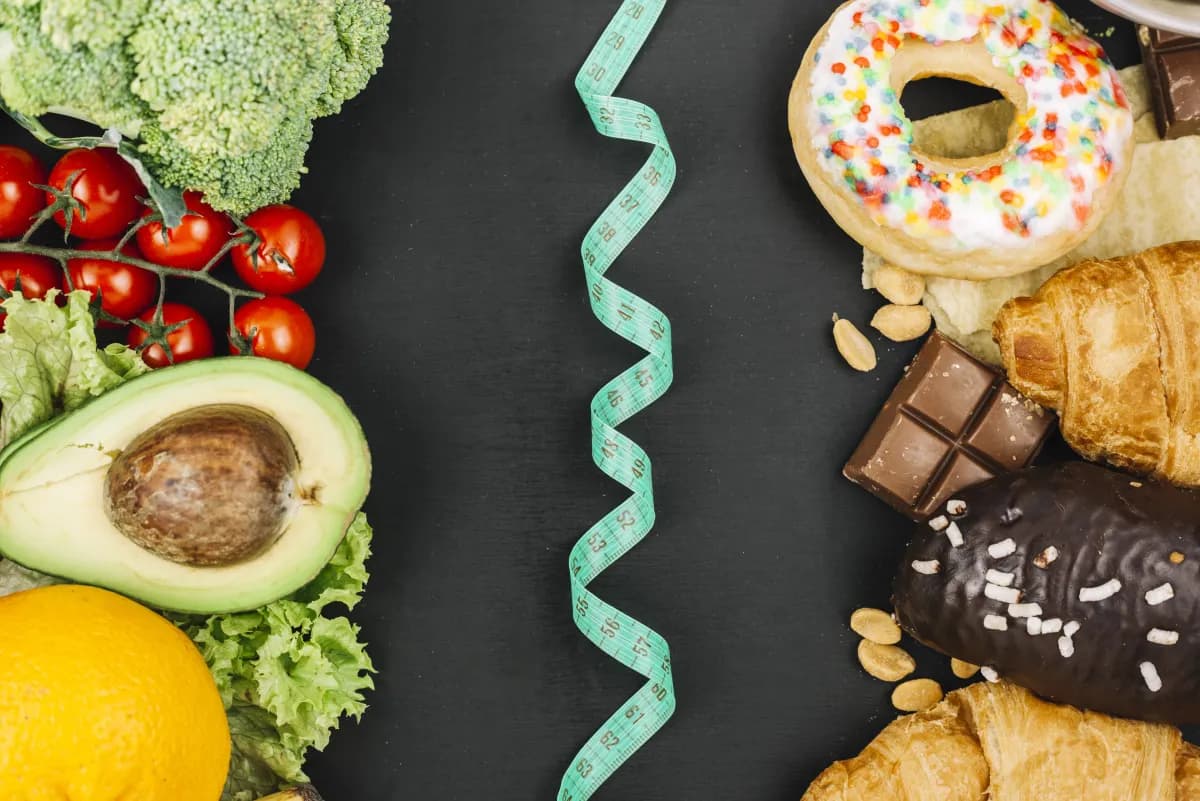
High calorie density foods tend to be high in fat and sugar with low water content — things like candy, chips, nuts, oils, and fried foods. They deliver a lot of calories in a very small package.
Here's a visual that makes this click:
- 400 calories of broccoli = an enormous bowl (about 10+ cups)
- 400 calories of gummy candy = a small handful
Same calories. Completely different amounts of food. One fills your stomach to the brim. The other leaves you reaching for more.
Research backs this up. Studies consistently show that people who eat lower calorie-density diets weigh less and report feeling more satisfied after meals. One landmark study from Penn State found that reducing the calorie density of meals led participants to eat 400+ fewer calories per day — without feeling hungrier.
The psychology matters too. When you sit down to a full plate of food, your brain registers satisfaction before you even take a bite. Volume eating hacks your satiety signals — you see a big meal, you eat a big meal, and you walk away feeling genuinely full. All while staying in a calorie deficit.
Think of calorie density like a spectrum. On one end: water-rich vegetables at 10-25 calories per cup. On the other end: oils at 120 calories per tablespoon. Volume eating simply means shifting more of your diet toward the low-density end.
The Volume Eating Cheat Sheet — Best High-Volume, Low-Calorie Foods
Here are the best volume eating foods organized by category. Keep these stocked in your kitchen and you'll always have options for big, satisfying meals.
Vegetables (The Volume Kings)
Vegetables are the foundation of volume eating. They're the lowest calorie-density foods available, and you can eat enormous amounts for almost no caloric cost.
- Leafy greens (spinach, kale, lettuce): ~7-25 calories per cup
- Cucumbers, zucchini, celery: ~15-20 calories per cup
- Broccoli, cauliflower, bell peppers: ~30-45 calories per cup
- Mushrooms, tomatoes, asparagus: ~20-30 calories per cup
- Cabbage, green beans, snap peas: ~25-35 calories per cup
Strategy: Fill half your plate with vegetables at every meal. This single habit is the simplest way to start volume eating without changing anything else about your diet.
Fruits (Nature's Dessert)
Fruits are volume eating's answer to sweet cravings. They're high in water, high in fiber, and naturally sweet — perfect for desserts and snacks.
- Watermelon: ~46 calories per cup (92% water)
- Strawberries, cantaloupe: ~50 calories per cup
- Apples, oranges, peaches: ~60-80 calories each
- Berries (blueberries, raspberries): ~60-85 calories per cup
- Grapefruit: ~52 calories per half
Fresh beats dried every time for volume eating. A cup of grapes has about 100 calories. A cup of raisins? About 400 calories. Same fruit — but drying removes all the water that makes it filling.
Proteins That Double as Volume Foods
Protein is essential for weight loss — it preserves muscle, boosts metabolism, and keeps you full. These options combine lean protein with low calorie density.
- Egg whites: ~17 calories each (vs. 70 calories for a whole egg)
- Greek yogurt (nonfat): ~100 calories per cup with 15-20g protein
- Cottage cheese (low fat): ~160 calories per cup with 28g protein
- Shrimp: ~85 calories per 100g
- Chicken breast: ~165 calories per 100g (the lean protein staple)
Protein is especially important for volume eaters because many high-volume foods (vegetables, fruits) are low in protein. You need to intentionally add lean protein to your volume meals to stay balanced. Learn more about hitting your macro targets.
Smart Carbs for Volume
Not all carbs are created equal. These options give you satisfying portions with high satiety per calorie.
- Popcorn (air-popped): ~30 calories per cup — the ultimate volume snack
- Oats: ~150 calories per cup cooked, extremely filling
- Potatoes (boiled): one of the most satiating foods ever studied, ~130 calories for a medium potato
- Rice cakes: ~35 calories each, great as a crunchy base
Boiled potatoes scored the highest on the Satiety Index, a landmark study measuring how full different foods make you feel. They scored 323% compared to white bread (100%). If you're looking for a single carb that fills you up the most per calorie, boiled potatoes are the answer.
Soups and Broths
Soups might be the most underrated volume eating tool. The high water content creates extreme volume for minimal calories.
- Broth-based soups: high water content = extreme volume for 100-200 calories per bowl
- Miso soup: ~40 calories per cup
- Vegetable soup: ~70-100 calories per cup
- Chicken noodle soup: ~150 calories per cup
Research from Penn State found that people who start meals with a broth-based soup eat approximately 20% fewer total calories during the meal. Starting with soup is one of the easiest volume eating hacks you can use.
5 Volume Eating Meal Ideas
Here's what a full day of volume eating can look like. Every meal is big, colorful, and surprisingly low in calories.
Breakfast — The Monster Egg White Scramble (~350 calories)
- 4 egg whites + 1 whole egg
- Massive handful of spinach, mushrooms, tomatoes, and bell peppers
- Side: 1 cup of mixed berries
This fills an entire large plate. The egg whites give you protein without calorie overload, and the vegetables add tremendous volume. You'll walk away from this meal feeling completely full on fewer calories than a single bagel with cream cheese.
Lunch — The "Is This Really Diet Food?" Bowl (~450 calories)
- Large base of mixed greens + shredded cabbage + sliced cucumber
- 150g chicken breast, sliced
- Cherry tomatoes, shredded carrots, edamame
- Light dressing (vinegar-based, 2 tablespoons max)
This bowl is enormous. The greens and cabbage create a massive base, the chicken adds satisfying protein, and the vegetables pile on color and crunch. It looks (and feels) like way too much food for someone trying to lose weight — and that's exactly the point.
Snack — The Endless Popcorn Bowl (~100 calories)
- 3 cups air-popped popcorn
- Sprinkle of everything bagel seasoning or nutritional yeast
Three cups of popcorn gives you more volume than a bag of chips at roughly one-third the calories. It's crunchy, satisfying, and takes time to eat — all factors that help you feel snacked-out without overdoing it.
Dinner — Cauliflower Rice Stir-Fry (~400 calories)
- 2 cups cauliflower rice (~50 calories) instead of regular rice (~400 calories)
- Shrimp or chicken breast
- Broccoli, snap peas, bell peppers
- Light soy sauce + fresh ginger + garlic
The cauliflower rice swap alone saves you 350 calories while keeping the volume nearly identical. Load up on the vegetables, add your lean protein, and you have a massive stir-fry bowl that rivals any takeout portion — for a fraction of the calories.
Dessert — Greek Yogurt Parfait (~150 calories)
- 1 cup nonfat Greek yogurt
- 1/2 cup sliced strawberries
- Small sprinkle of granola (1 tablespoon)
This feels indulgent. The yogurt is creamy and thick, the strawberries add natural sweetness, and the granola gives you crunch. At 150 calories with 15+ grams of protein, it costs almost nothing calorie-wise while satisfying your sweet tooth.
Full day total: approximately 1,450 calories. That's five meals and snacks — all of them big, filling portions. Most people eating this way report feeling more full than when they ate 2,000+ calories of calorie-dense foods. That's the power of volume eating.
Volume Eating + Calorie Tracking = The Ultimate Combo
Volume eating helps you feel full. Calorie tracking confirms you're actually in a deficit.
These two strategies are perfect partners. Volume eating solves the biggest complaint about dieting ("I'm always hungry"), while calorie tracking solves the biggest reason diets fail ("I'm not actually in a deficit").
Without tracking, it's easy to unknowingly add calorie-dense elements that undermine the volume strategy. A generous pour of olive oil here, a handful of shredded cheese there, a creamy dressing on your salad — these small additions can turn a 300-calorie volume meal into a 600-calorie meal without changing how full you feel.
CalorieCue's AI photo scanning is perfect for volume eaters. Snap a photo of your big, colorful plate — the app analyzes what's on it and gives you the real calorie count. No manual logging, no guessing. Just visual confirmation that your volume meal is on track.
This combination — eating high-volume foods for fullness AND tracking for accuracy — is how people lose weight without feeling deprived.
Try this today: Build a volume meal using the ideas above, snap a photo with CalorieCue, and see the calorie count for yourself. Most people are shocked at how low it is for the amount of food on their plate.
Common Volume Eating Mistakes
Volume eating is simple, but there are a few traps that can quietly sabotage your results.
1. Forgetting About Fats and Dressings
A plain salad with vegetables and chicken might be 250 calories. Add 2 tablespoons of ranch dressing and it jumps to 400 calories. Add cheese, croutons, and an oil-based dressing and you could be looking at 600+ calories. The vegetables are still low-calorie — but everything on top of them isn't.
Fix: Use vinegar-based dressings, salsa, hot sauce, mustard, or lemon juice. Measure oil-based dressings instead of free-pouring.
2. Only Eating Volume Foods
Volume eating isn't about eating nothing but vegetables and broth. You still need adequate protein, healthy fats, and enough total calories to fuel your body. Eating only low-calorie-density foods can leave you under-nourished and set you up for binge eating later.
Fix: Use volume foods as the base of your meals, but always include lean protein and a small amount of healthy fat. Don't go below your recommended calorie intake.
3. Ignoring Calorie-Dense Add-Ons
Cheese, nuts, dried fruit, granola, avocado, and nut butters are all nutritious — but they're calorie-dense. A quarter cup of granola on your yogurt adds 130+ calories. A handful of almonds adds 160+ calories. These add up fast when you're not paying attention.
Fix: You don't have to eliminate these foods — just measure them. A tablespoon of granola instead of half a cup. A small sprinkle of cheese instead of a generous handful.
4. Not Eating Enough Protein
Many high-volume foods are excellent for filling you up but low in protein. If your meals are mostly vegetables and fruits, you might feel full in the moment but get hungry again quickly — because protein is what sustains fullness over hours.
Fix: Add lean protein to every meal. Aim for at least 20-30g of protein per meal from sources like chicken breast, egg whites, Greek yogurt, cottage cheese, shrimp, or fish. Learn more about balanced portions.
5. Making It Boring
Eating plain steamed vegetables and dry chicken breast at every meal isn't sustainable. If your volume meals are bland and repetitive, you'll get tired of them and go back to calorie-dense comfort foods.
Fix: Use seasonings liberally — they're essentially zero calories. Try garlic powder, cumin, smoked paprika, Italian seasoning, everything bagel seasoning, hot sauce, salsa, mustard, lemon, and fresh herbs. Rotate your vegetables. Try different cooking methods (roasted, air-fried, grilled, raw). Make your volume meals something you actually look forward to eating. Check out our meal prep guide for ideas to keep things interesting.
Frequently Asked Questions
What is volume eating?
Volume eating is an eating strategy that focuses on choosing foods with low calorie density — meaning they have fewer calories per gram. These foods are typically high in water and fiber (like vegetables, fruits, and broth-based soups), so you can eat large, satisfying portions without consuming excessive calories. The goal is to fill your stomach with physically large amounts of food while staying within your calorie target.
Can you really eat more and lose weight?
Yes — if you eat more of the right foods. Weight loss comes down to a calorie deficit, but your stomach responds to physical volume, not just calories. By choosing foods with low calorie density, you can eat bigger plates of food that fill your stomach and trigger fullness signals, all while consuming fewer total calories than smaller portions of calorie-dense foods like candy, chips, or fried foods.
Is volume eating safe?
Volume eating is perfectly safe for most people. It's simply a strategy of choosing more whole, nutrient-rich foods like vegetables, fruits, lean proteins, and whole grains — the same foods nutritionists recommend. The only caveat is to make sure you're still getting adequate calories, protein, and healthy fats. Volume eating isn't about starving yourself — it's about eating smarter.
What are the best high-volume, low-calorie snacks?
The best volume snacks include air-popped popcorn (about 30 calories per cup), sliced cucumbers or celery with salsa, fresh berries, watermelon, cherry tomatoes, rice cakes, baby carrots with hummus (measured), and broth-based soups. These snacks give you a lot of food to munch on without significantly adding to your daily calorie count.
Does volume eating work without counting calories?
Volume eating can help you naturally eat fewer calories even without formal tracking, because you'll feel full on less. However, combining volume eating with calorie tracking gives you the best results. Without tracking, it's easy to unknowingly add calorie-dense elements like dressings, oils, cheese, or sauces that undermine the volume strategy. Tracking confirms you're actually in a deficit.
Can volume eating cause bloating?
It can if you dramatically increase your fiber intake overnight. Your digestive system needs time to adjust to larger amounts of vegetables and fiber-rich foods. To minimize bloating, increase your vegetable and fiber intake gradually over 1-2 weeks, drink plenty of water, and cook your vegetables if raw ones cause discomfort. Most people adapt quickly and the bloating subsides.
The Bottom Line
Volume eating is the strategy that makes calorie deficits feel effortless. Instead of white-knuckling your way through tiny portions and constant hunger, you fill your plate with foods that are physically large but calorically light. Your stomach gets full. Your brain registers satisfaction. And you're still in a deficit.
The best part? It's not complicated. Fill half your plate with vegetables. Choose lean proteins. Swap calorie-dense ingredients for high-volume alternatives (cauliflower rice for regular rice, popcorn for chips, Greek yogurt for ice cream). Use seasonings to make everything taste incredible.
Pair volume eating with calorie tracking and you have the complete package — you know what you're eating AND you feel full doing it. No guesswork. No hunger. Just results.
Start scanning your volume meals today and see for yourself how much food you can eat while staying on track.
Download CalorieCue